
- Attractions by Area -
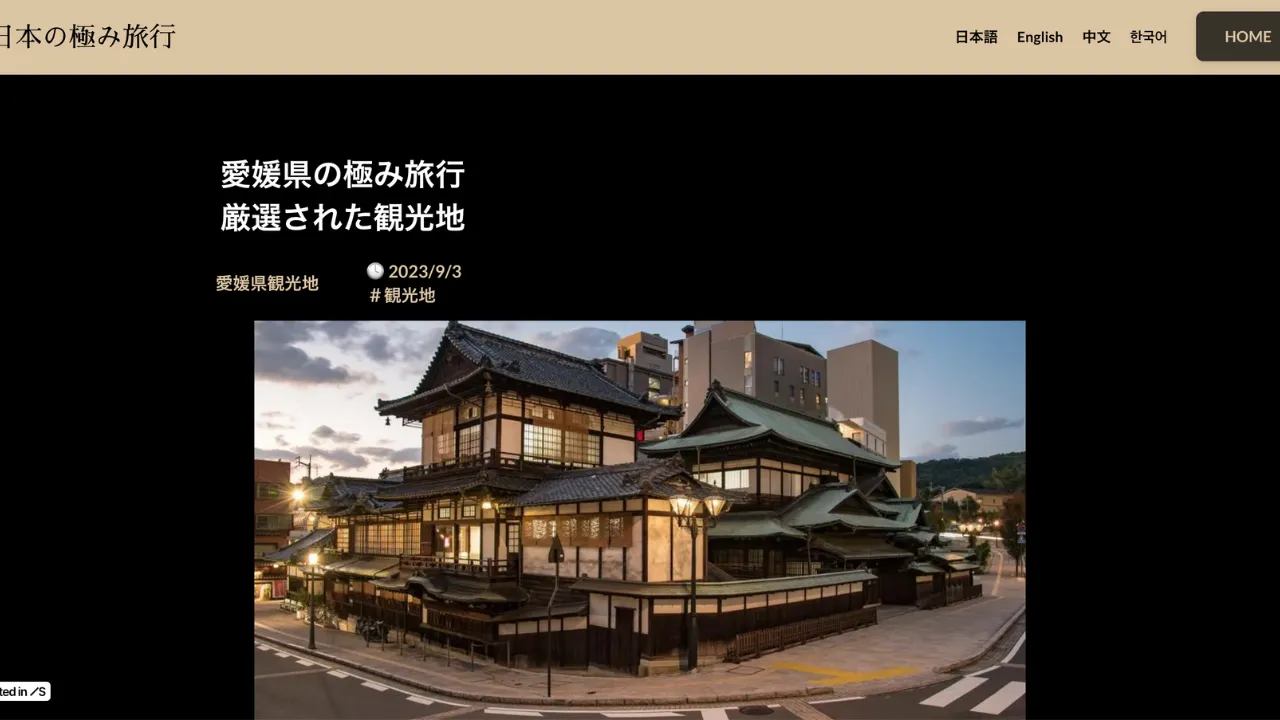
Japan’s oldest hot spring, a sky-high castle, and a world-class sea route—the three musts of Iyo (Ehime).
Dogo Onsen
Said to boast 3,000 years of history and counted among Japan’s three ancient hot springs. The wooden three-story Honkan (Main Building), a National Important Cultural Property, captivates visitors with its dignified beauty.
Matsuyama Castle
One of only twelve castles with original keeps in Japan, perched atop Mt. Katsuyama. From the top floor you’ll enjoy sweeping 360° views over Matsuyama and the Seto Inland Sea.
Shimanami Kaido
A globally loved cycling route dubbed the “Cyclists’ Sanctuary,” linking islands across the Seto Inland Sea with unforgettable views of sky and sea.
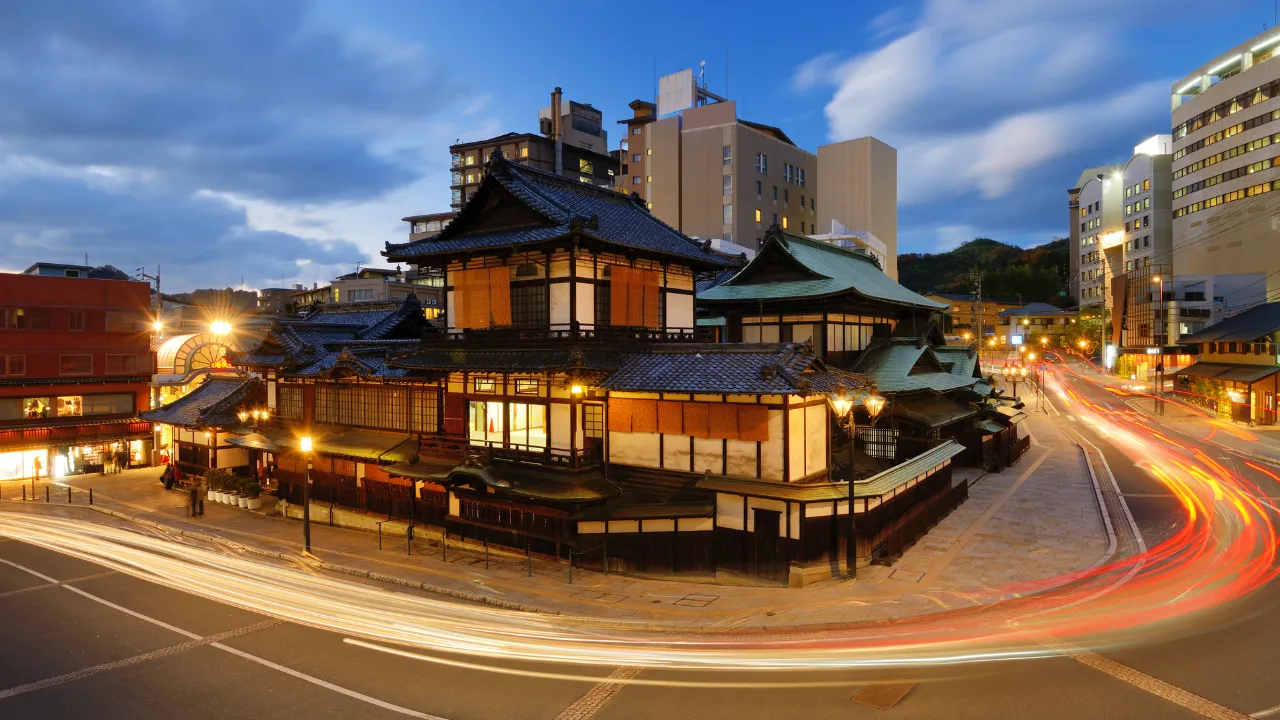
Japan’s oldest hot spring. Also the setting of Natsume Soseki’s “Botchan.”
Step into a movie set—soak in a National Treasure-class bathhouse!
Said to date back 3,000 years and counted among Japan’s three ancient hot springs. The intricate three-story wooden Honkan—rumored to have inspired a Studio Ghibli backdrop—will take your breath away.
At 6:00 a.m., the “Toki Daiko” drum announces the day’s first bath; its soundscape is listed among Japan’s 100 treasured soundscapes. If you love hot springs with history and romance, this is your place.
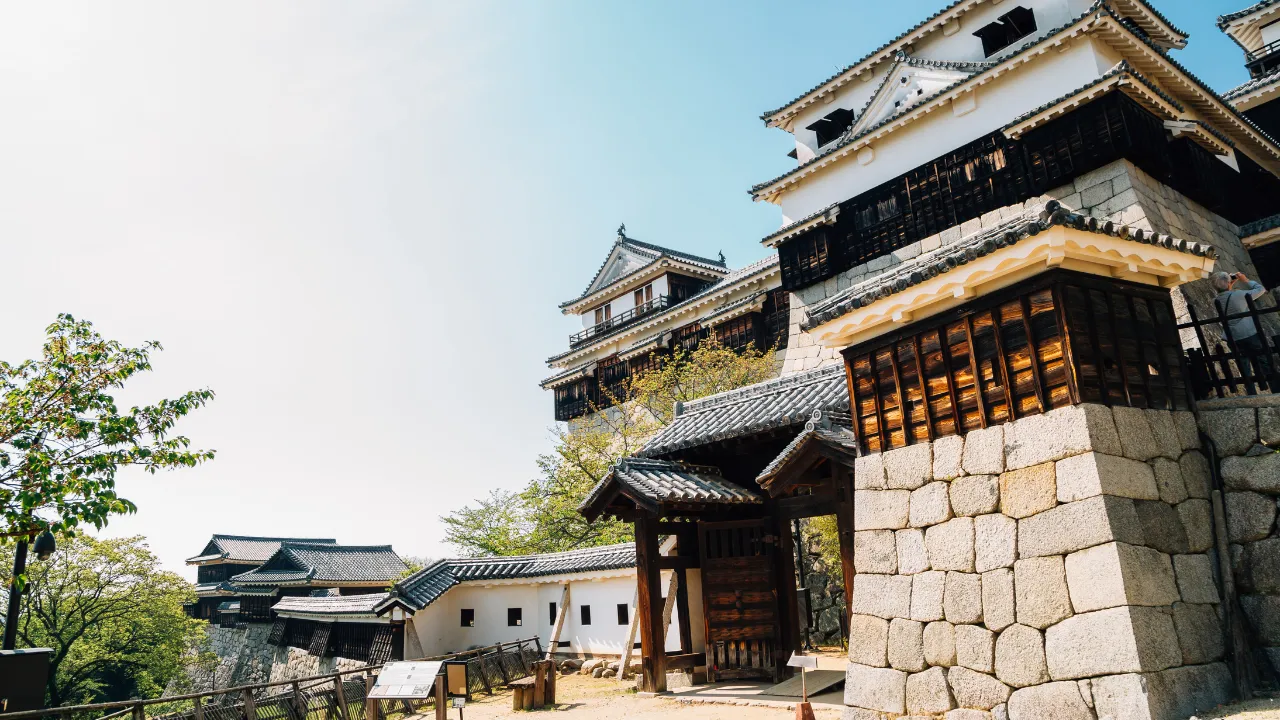
One of Japan’s 12 original keeps and the symbol of the city.
Ride the chairlift—ascend to a castle in the sky!
Rising 132 m above the city, Matsuyama Castle is among the few castles with a pre-modern keep still intact. Reach it via ropeway or single-seat chairlift.
◆ Highlights: 360° panoramas across Matsuyama Plain and the Seto Inland Sea from the top floor.
◆ Fun fact: Find loopholes and hidden spaces designed for defense—channel your inner warlord.
◆ Access: 5 minutes on foot from “Okaido” tram stop to the ropeway station.
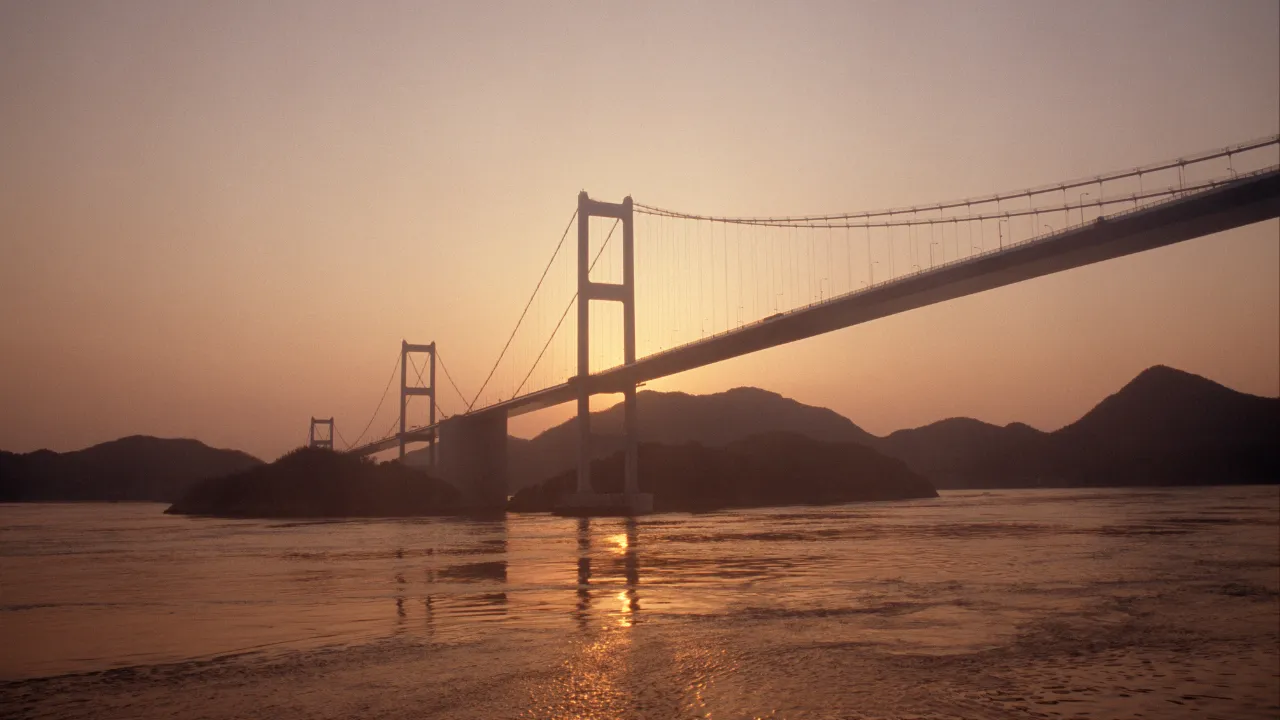
The Cyclists’ Sanctuary—about 70 km of bridges and islands over the sea.
The thrill of riding above the sea!
A highway linking Imabari (Ehime) and Onomichi (Hiroshima), with dedicated lanes for cyclists and pedestrians on each bridge. Ride part or all of the course, café-hop on islands, and let the sea breeze clear your head.
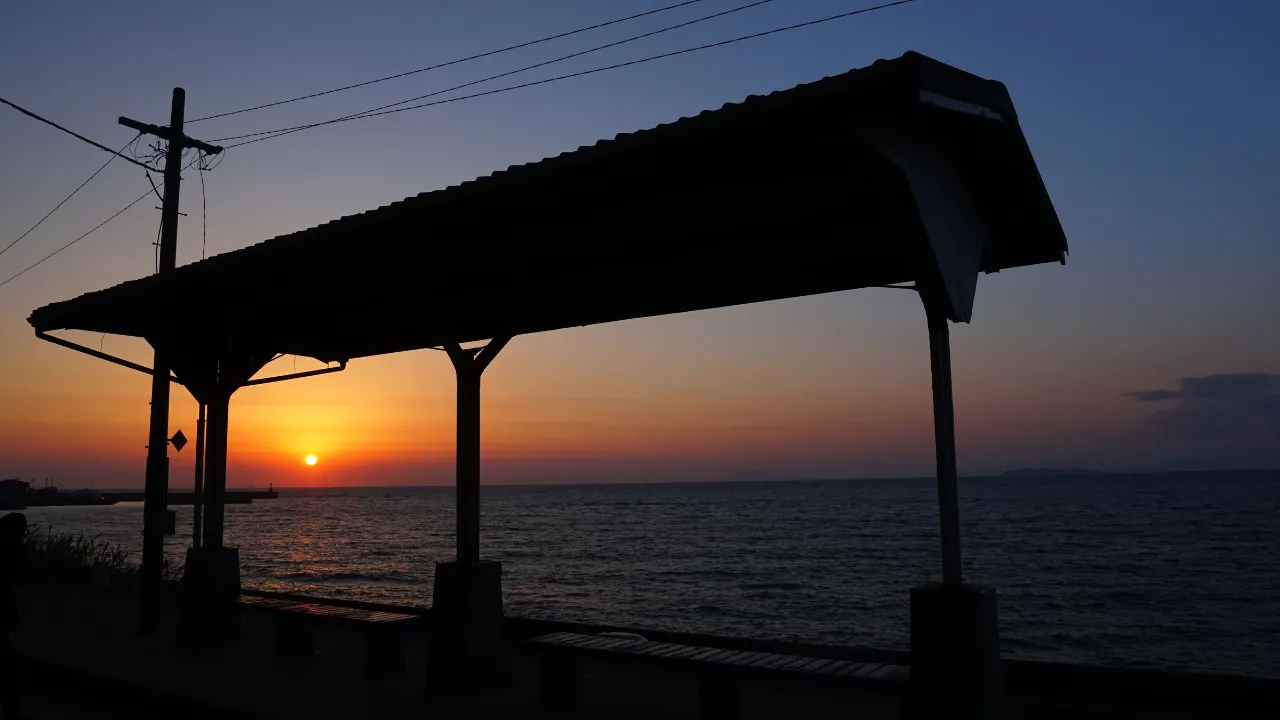
One of the closest stations to the sea—famous for sunset shots.
Like a movie poster—an oceanfront platform!
A tiny unmanned station with the Iyo-Nada panorama right before your eyes. Featured in countless posters and films, it’s magical at sunset. Trains are infrequent—check times or you’ll wait hours for the next “perfect shot.”
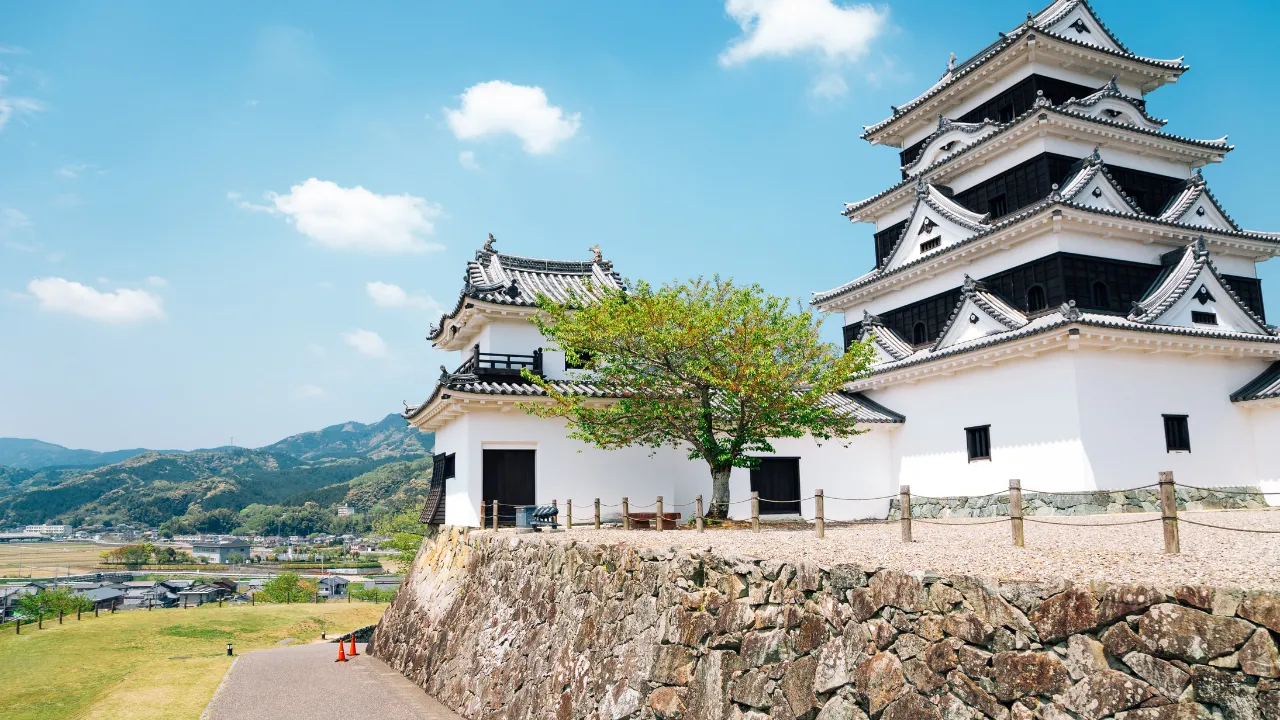
A “stayable” castle in Little Kyoto of Iyo—live like a lord.
Japan’s first castle sleepover—become the lord for a night!
The once-demolished keep was meticulously rebuilt in wood based on historical photos and drawings. The “Castle Stay” (one party per night) includes a ceremonial entry, armor, and dinner with the moon—truly bucket-list material.
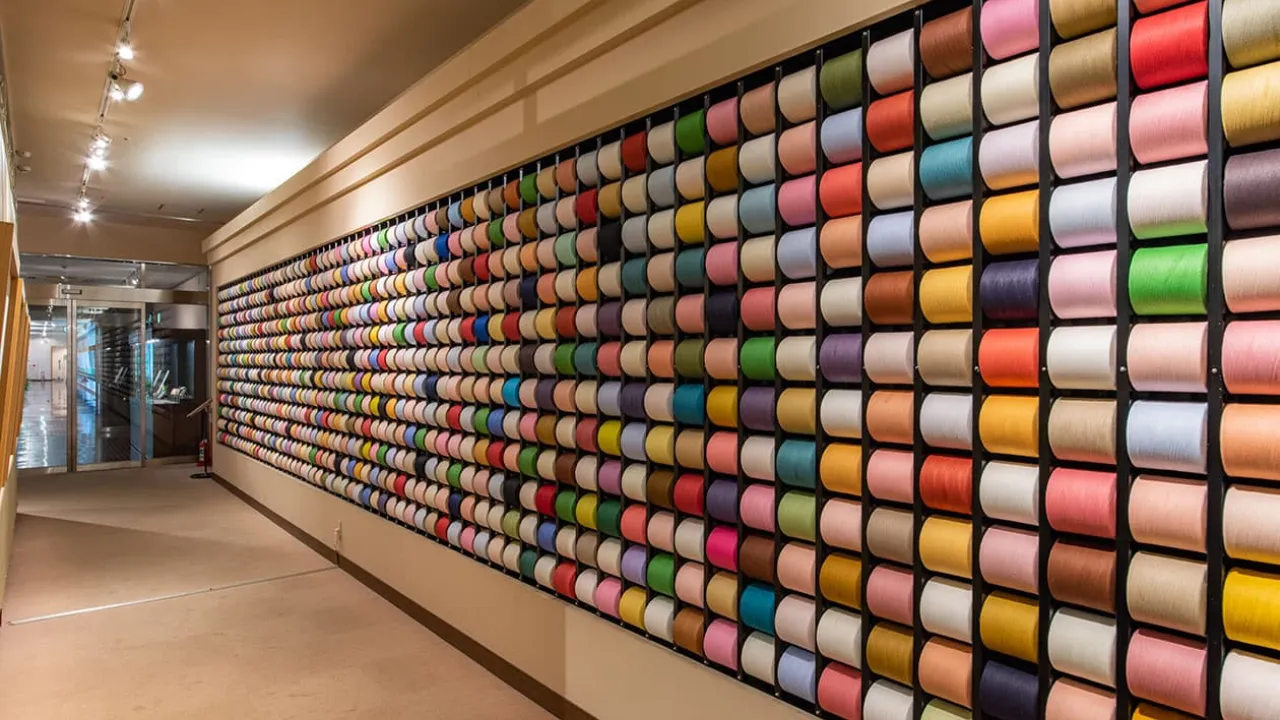
From manufacturing lines to towel art—meet the Moomins too.
A wonderland of towels!
In Japan’s towel capital, this unique museum showcases the entire process from thread to product and exhibits large-scale towel art. The Moomin gallery delights kids and grown-ups alike. Personalize souvenirs with name embroidery.
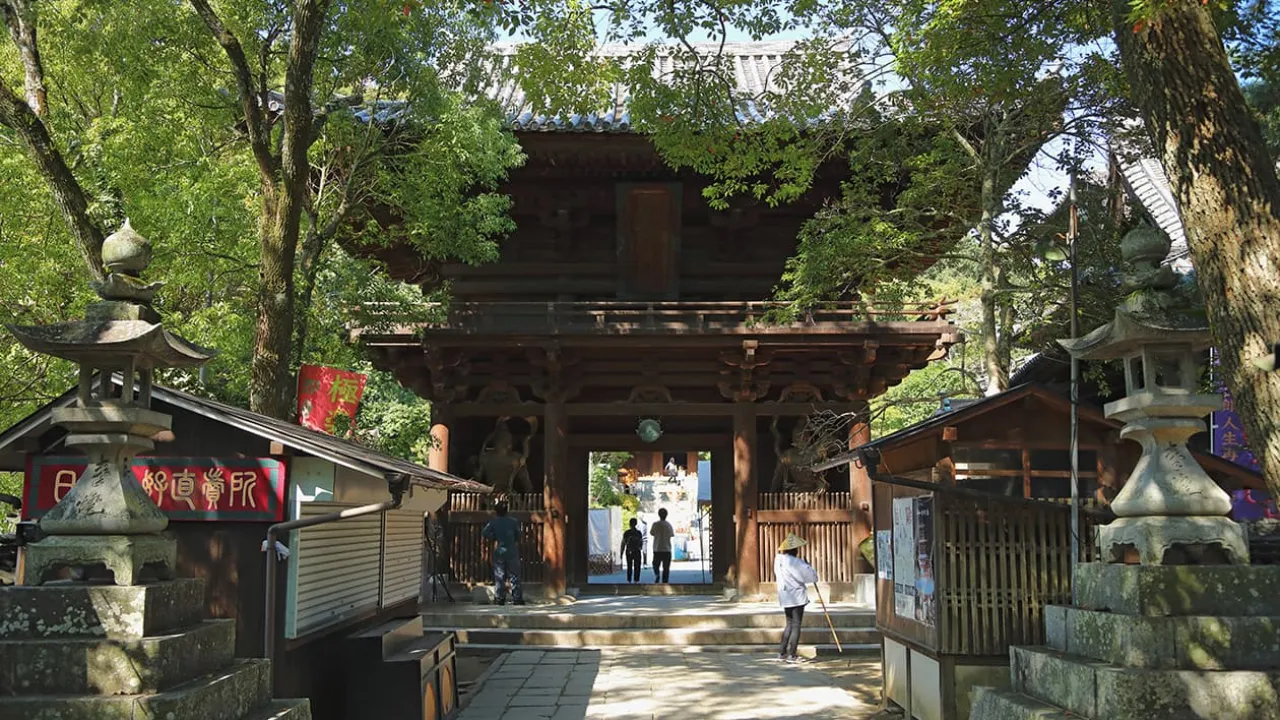
Linked to the origins of the Shikoku Pilgrimage; Michelin Green Guide ★.
Delightfully mysterious temple grounds!
Temple #51 of the Shikoku 88, near Dogo. Beyond the National Treasure gate and historic pagoda, expect quirky statues and a pitch-black mantra cave. The temple’s surreal vibe even earned it a Michelin star.
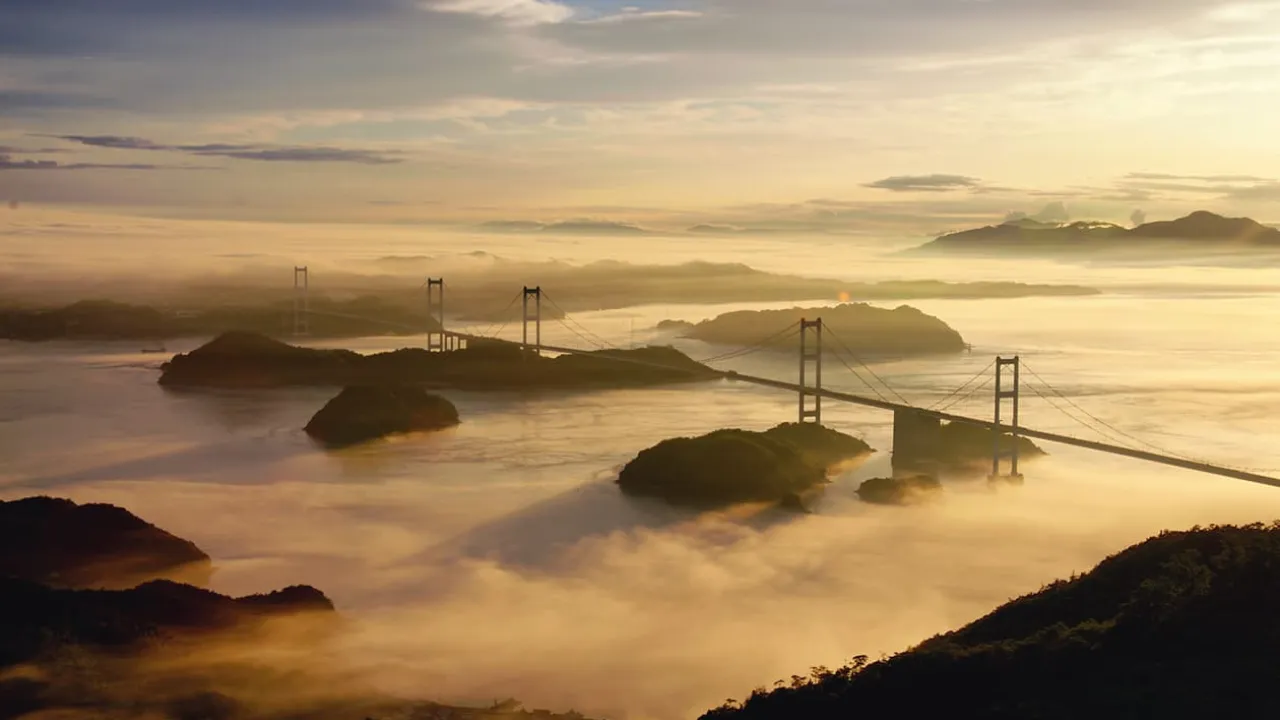
Arguably the best Shimanami view—overlook Kurushima Bridge.
Worth the trip just for this view!
From the summit observatory (designed by Kengo Kuma), gaze at the triple suspension Kurushima Kaikyo Bridge and the fierce strait below. Sunset and night views are stunning—proposal spot alert (results not guaranteed).
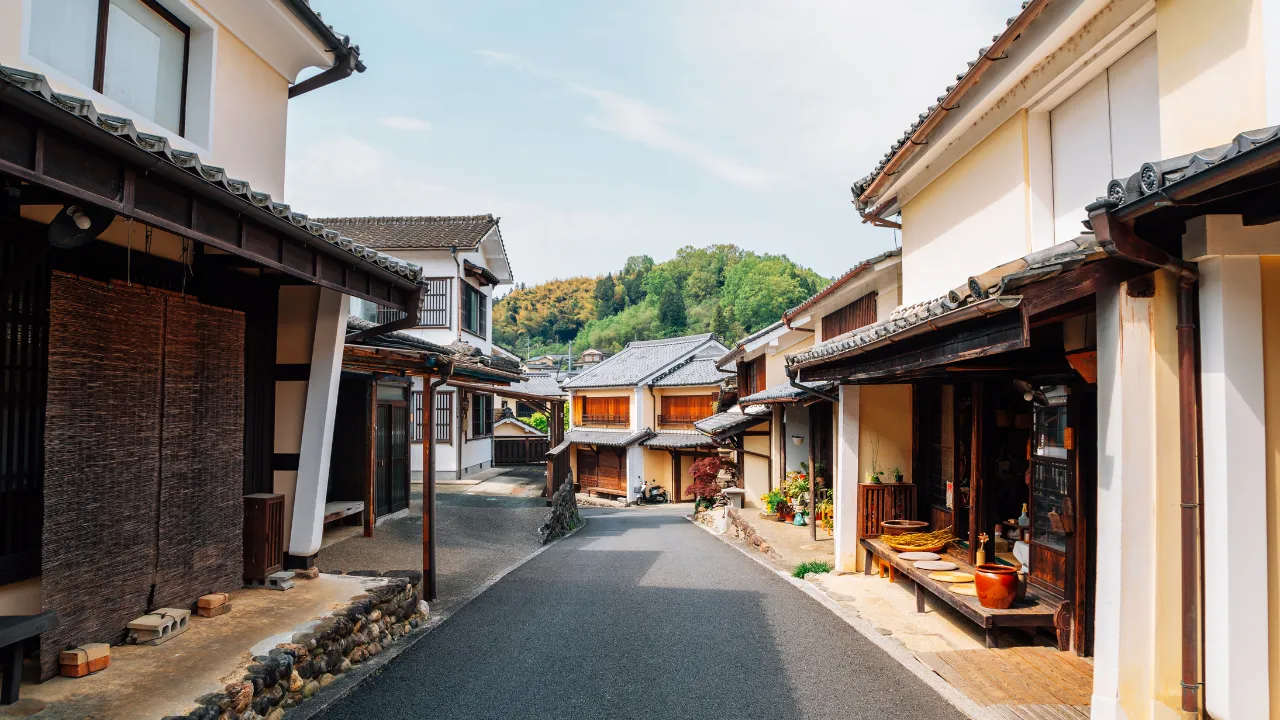
White-walled merchants’ houses from Edo–Meiji line a 600 m stretch.
Built on wax and washi prosperity!
Once a center for Japanese wax and paper, Uchiko preserves elegant plaster walls and “namako” patterns. Don’t miss the still-active playhouse “Uchiko-za.” Many wealthy homes hid secret rooms and tricks—spot them as you stroll.
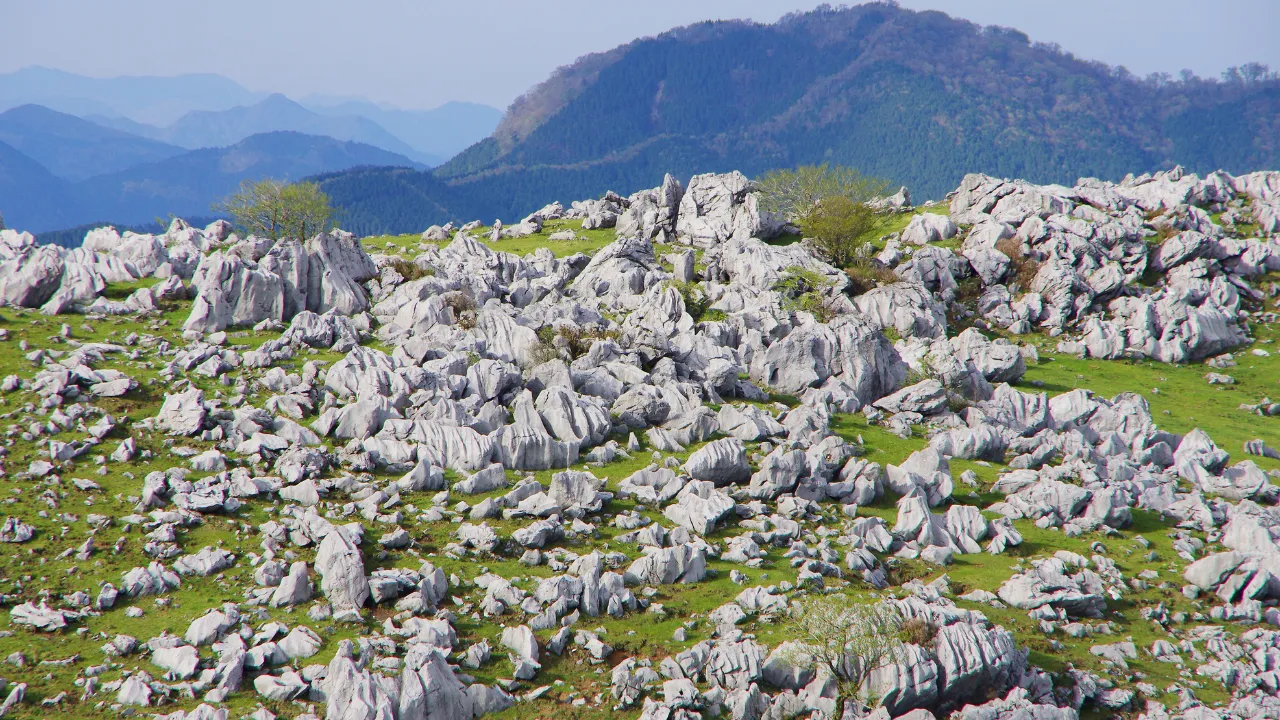
One of Japan’s “Big Three” karst plateaus—alpine vibes with grazing cows.
A sky road across rolling grasslands!
Straddling Ehime and Kochi at 1,000–1,500 m elevation, limestone outcrops dot sweeping meadows. Drive the famed “Sky Road” (Pref. Route 383) but watch for strolling bovines—seriously.
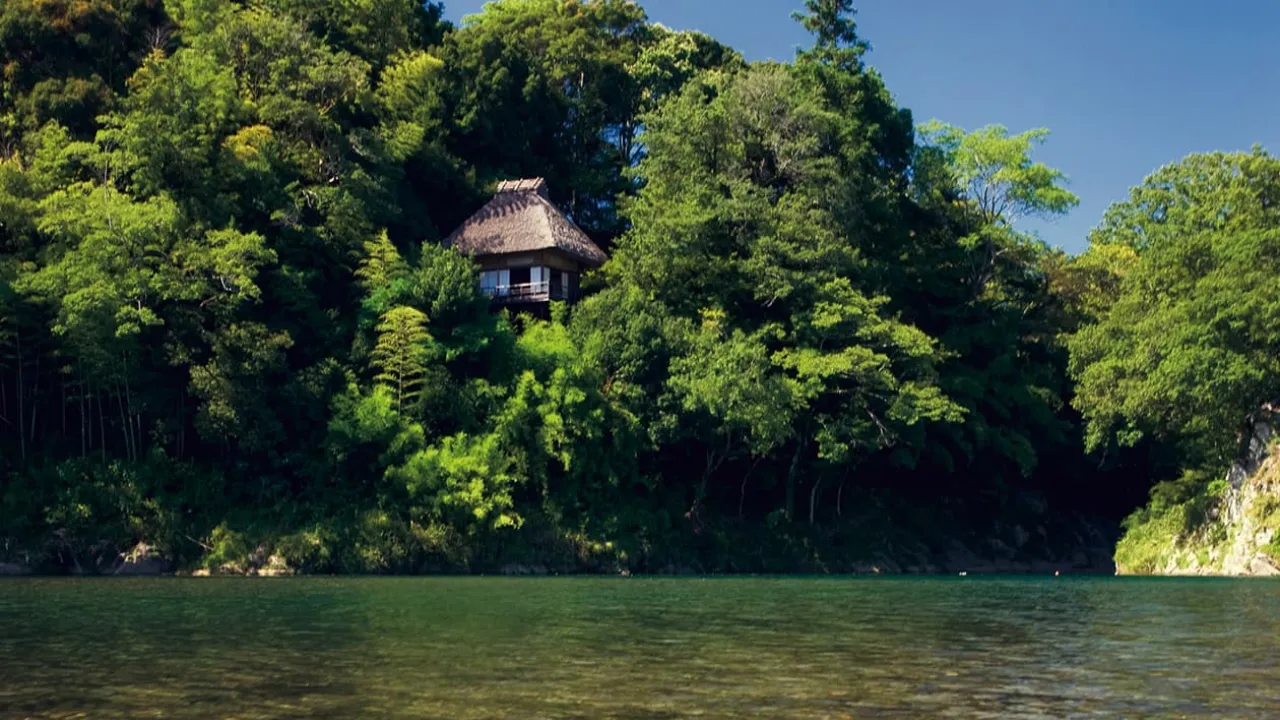
A refined riverside retreat famed for exquisite sukiya craftsmanship.
Michelin-starred “wabi-sabi” hideaway.
Built by a Meiji-era magnate after a decade of planning, the complex brims with playful, elegant details. The riverside “Furo-an” tea house even has a removable roof panel for moon-viewing—pure poetic luxury.
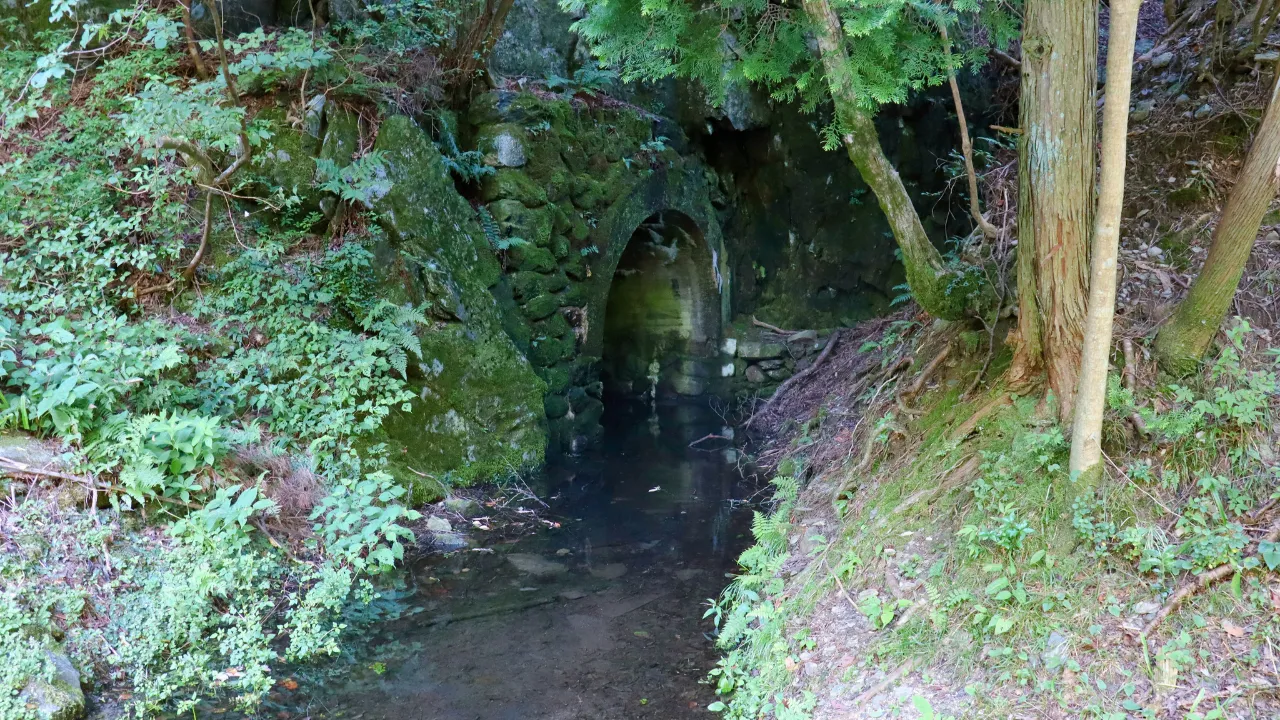
Industrial ruins in the clouds—nicknamed the “Machu Picchu of the East.”
Ride the mine train and trace Japan’s modernization.
Operated for ~280 years from the Edo period, Besshi fueled Japan’s industry. Explore atmospheric ruins and a tourist adit with life-size dioramas. The Sumitomo zaibatsu began here—history buffs will love it.
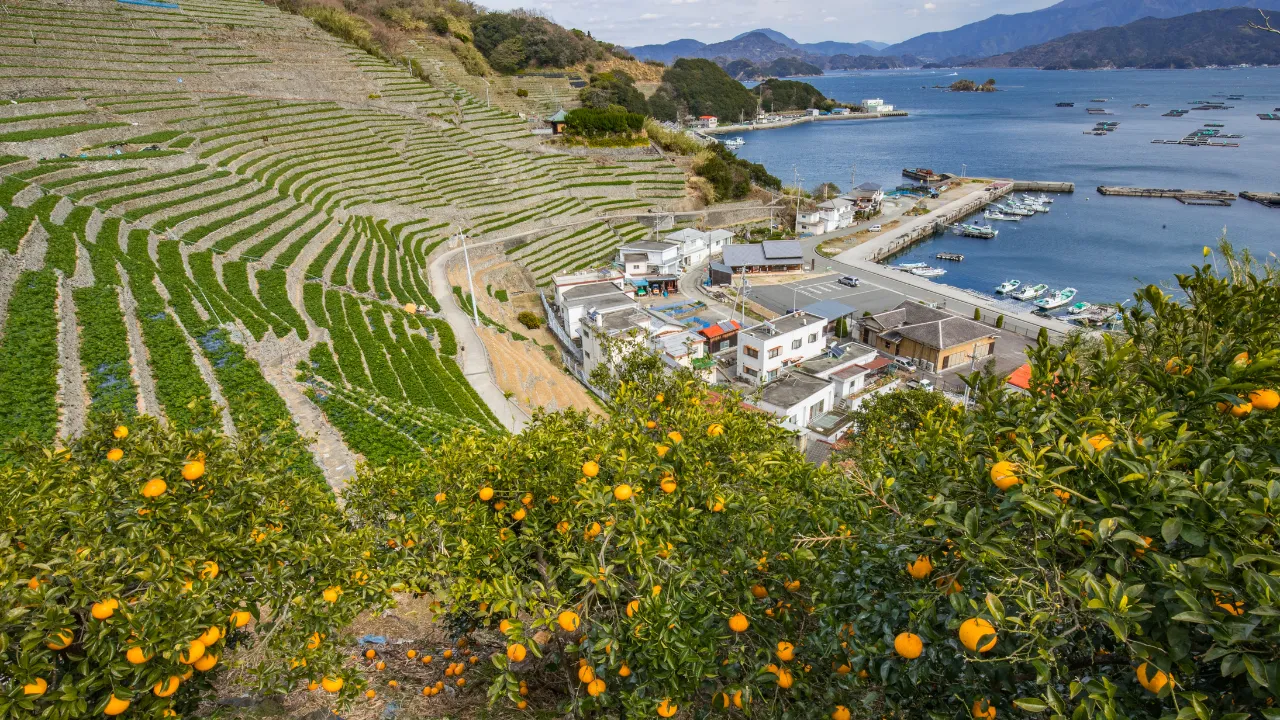
Stone-walled terraces climb steep slopes right above the sea.
“Stone walls, sky, and sea”—a living monument to toil.
Terraces rise skyward along the Uwajima coast, designated an Important Cultural Landscape. Mainly for potatoes, each strip is barely a meter wide—farming here is a feat of persistence and skill.
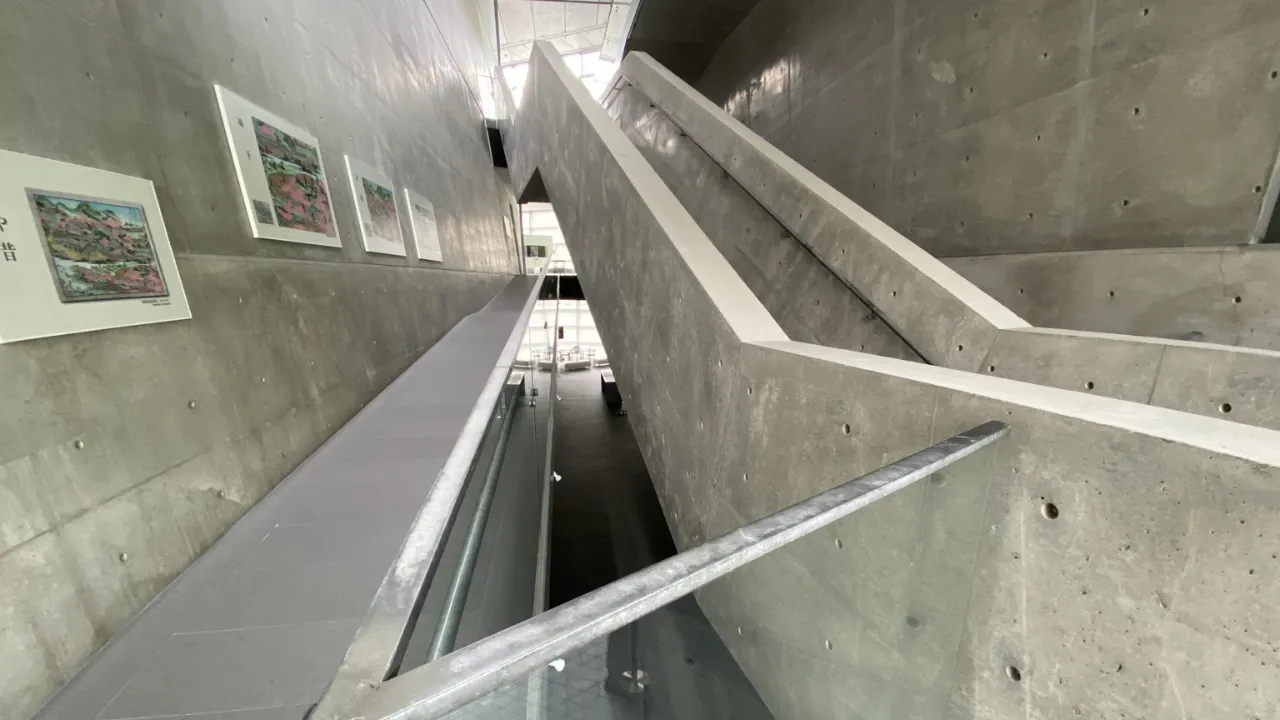
Ando Tadao’s architecture frames a deep dive into Meiji-era Matsuyama.
Feel the grit and dreams of the Meiji spirit.
Based on Ryotaro Shiba’s novel, exhibits follow the Akiyama brothers and Masaoka Shiki. Even the triangular building itself—by Pritzker laureate Tadao Ando—is worth the visit.
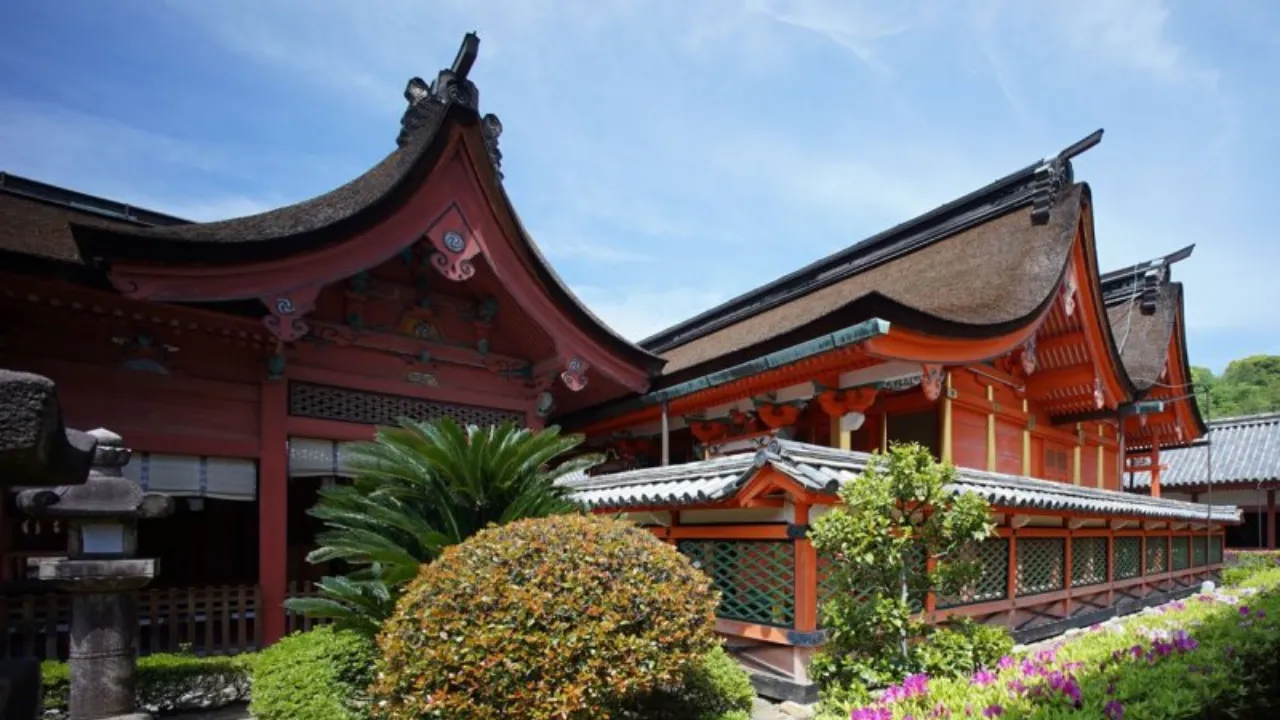
Brilliant vermilion halls in rare “Hachiman-zukuri” style above Dogo.
Climb 135 steps for blessings and views.
A National Important Cultural Property with corridor galleries displaying rare math votives (sangaku). Built in thanks for a successful yabusame ritual. There’s a rear approach with parking for those avoiding the long stairway.
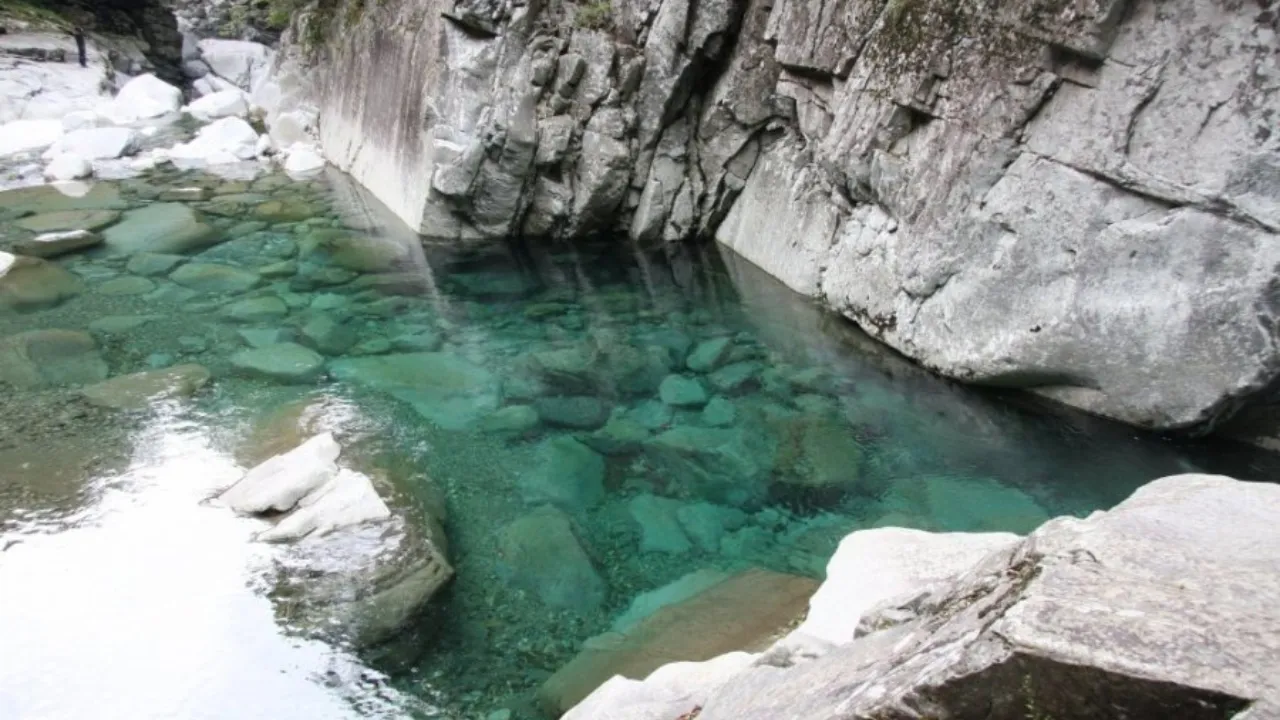
Crystal-clear headwaters rival even the famed “Niyodo Blue.”
Primeval cliffs, emerald pools—pure refreshment.
A National Place of Scenic Beauty on the Niyodo River’s upper reaches below Mt. Ishizuchi. Trails make it easy to enjoy; in autumn the red-gold foliage reflects vividly on the water like glass.
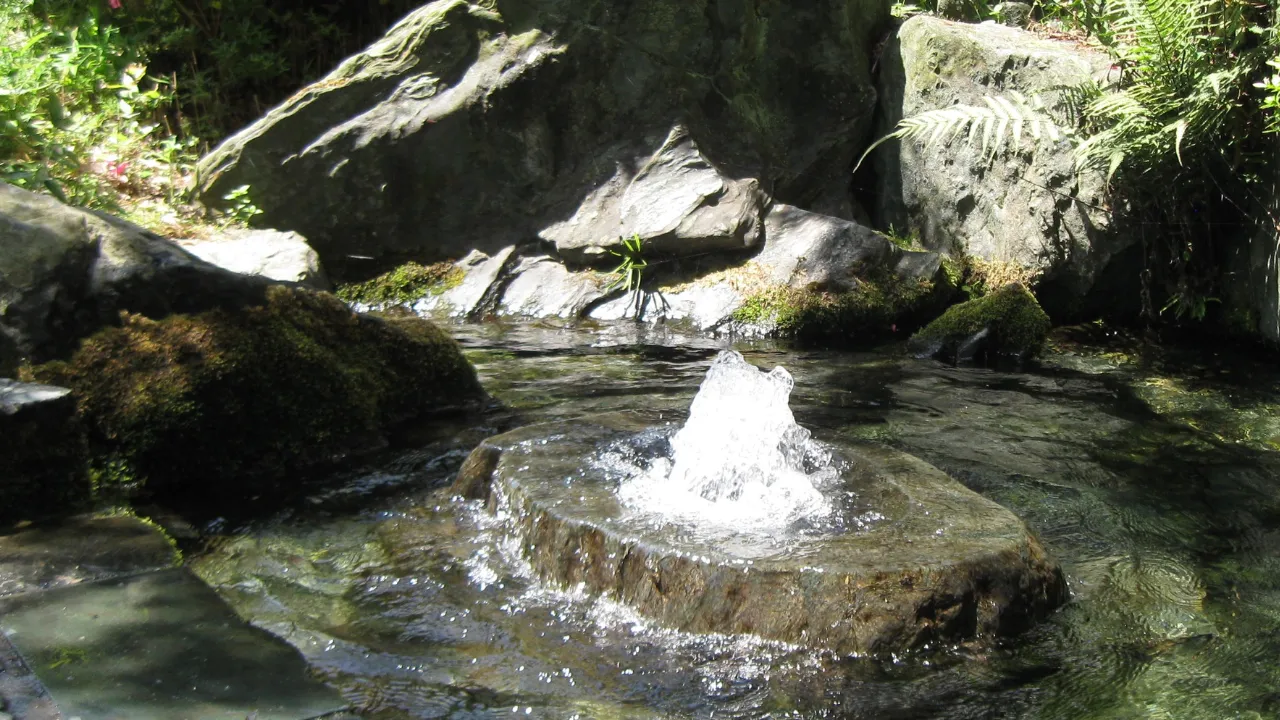
Natural artesian wells—Saijo is known as the “City of Water.”
Public taps gush with drinkable spring water.
Over 3,000 “uchinuki” wells bubble up thanks to the Ishizuchi range. Bring bottles—locals use these springs daily and many spots offer free public access.
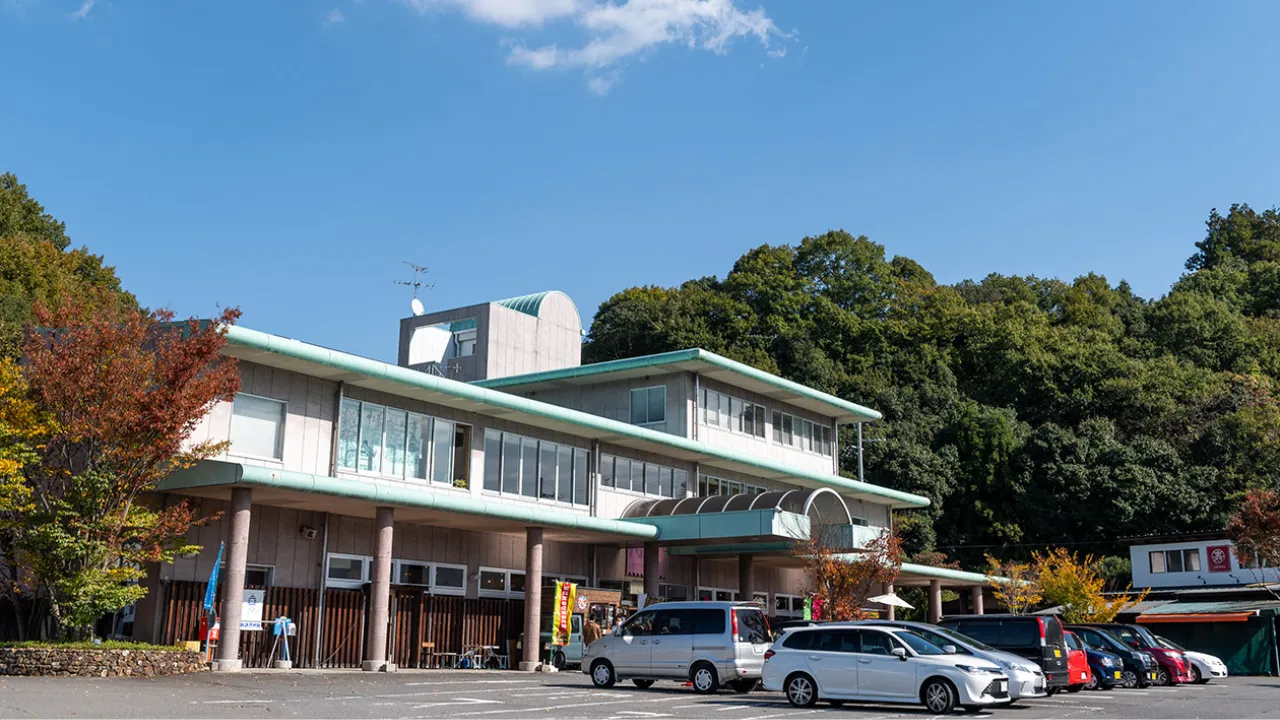
Try wheel-throwing and painting Ehime’s classic blue-on-white pottery.
Create a one-of-a-kind keepsake.
With ~240 years of history, Tobeyaki features plump white porcelain and indigo designs. Try the wheel or painting; pieces shrink slightly in firing—part of the charm.
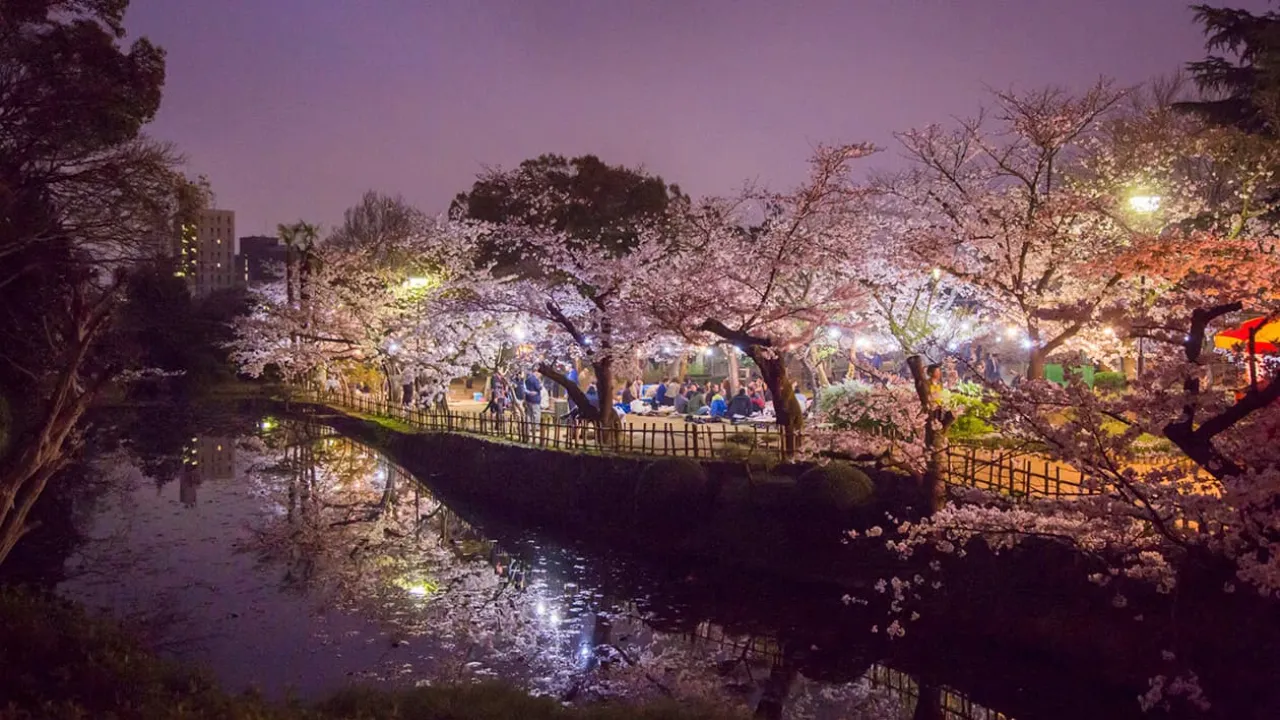
Castle ruins beside Dogo Onsen—samurai residences restored.
Post-bath stroll through medieval castle grounds.
Before Matsuyama Castle, the Kono clan ruled from Yuzuki Castle. Today it’s a leafy park with reconstructed residences, walls and moats—plus a free foot bath nearby.
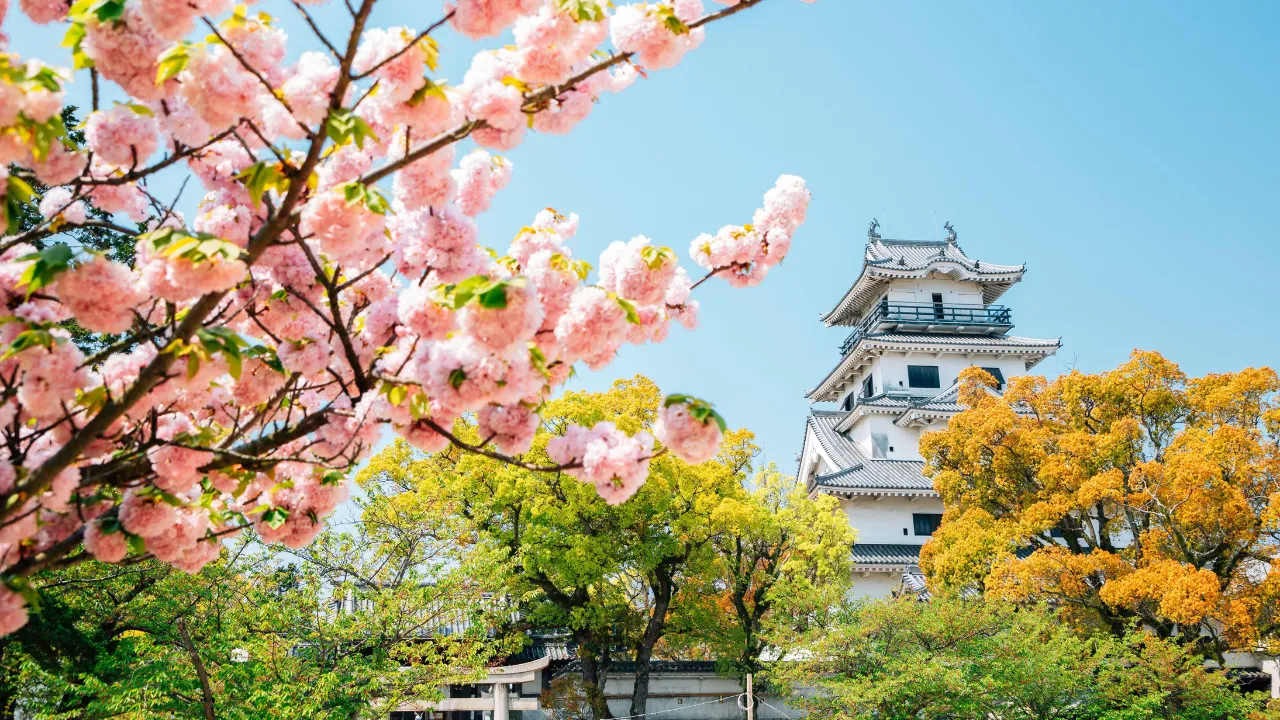
One of Japan’s three great “water castles,” with seawater moats.
Seawater laps at the castle walls.
Built by fortification master Todo Takatora, the vast moat rises and falls with the tide. At night, the white keep reflected in the water is mesmerizing. (Fishing in the moat is a no-go!)
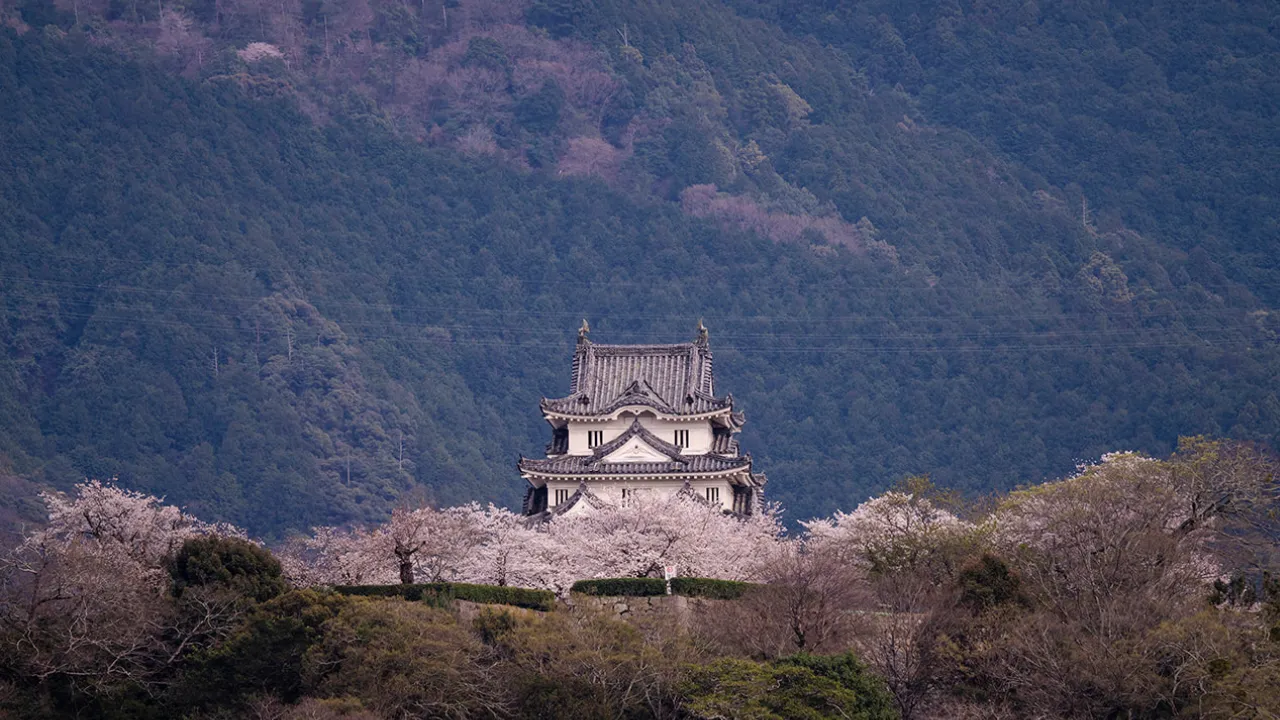
A petite yet elegant original keep—imbued with Date clan grace.
Quiet beauty atop steep stone steps.
The keep reflects the shift from wartime fortresses to peacetime symbols. From the top, admire town and sea—worth the climb.
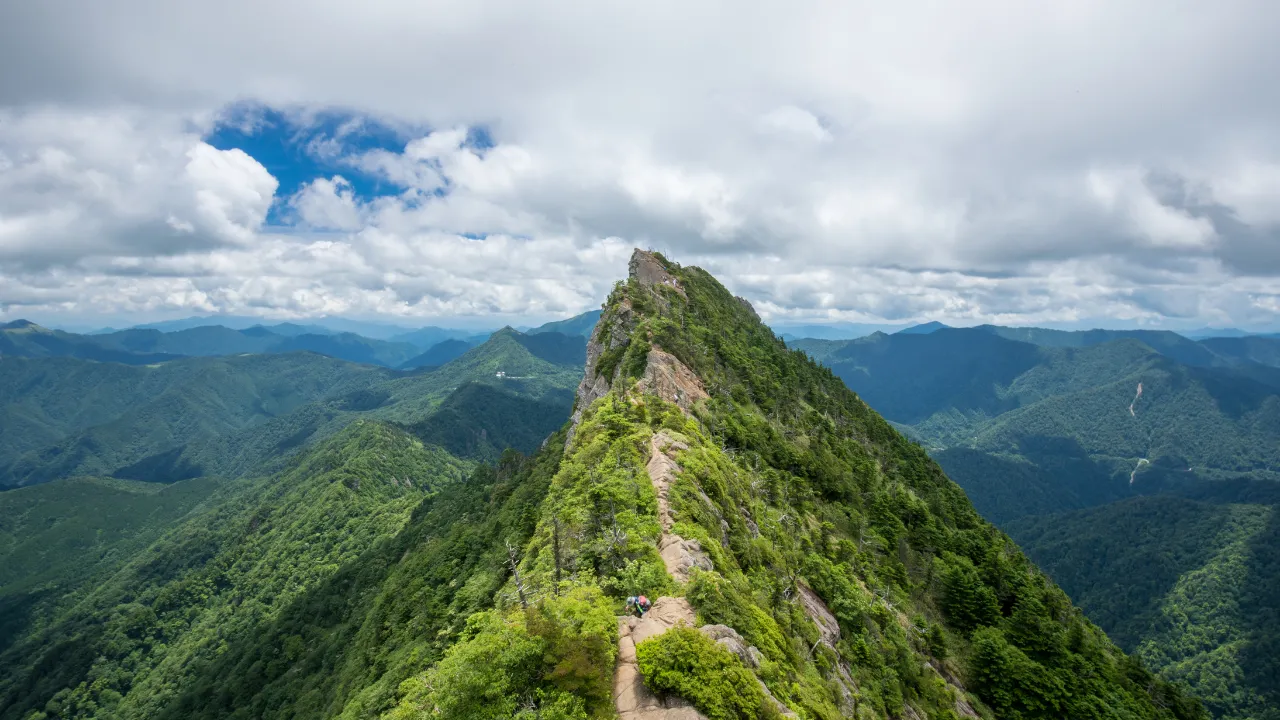
Western Japan’s highest peak—famous chain sections test your mettle.
Challenge the “trial chain.”
A sacred peak at 1,982 m with dramatic iron-chain ascents. Bypass trails and a ropeway make routes for all levels; summit views reward the effort.
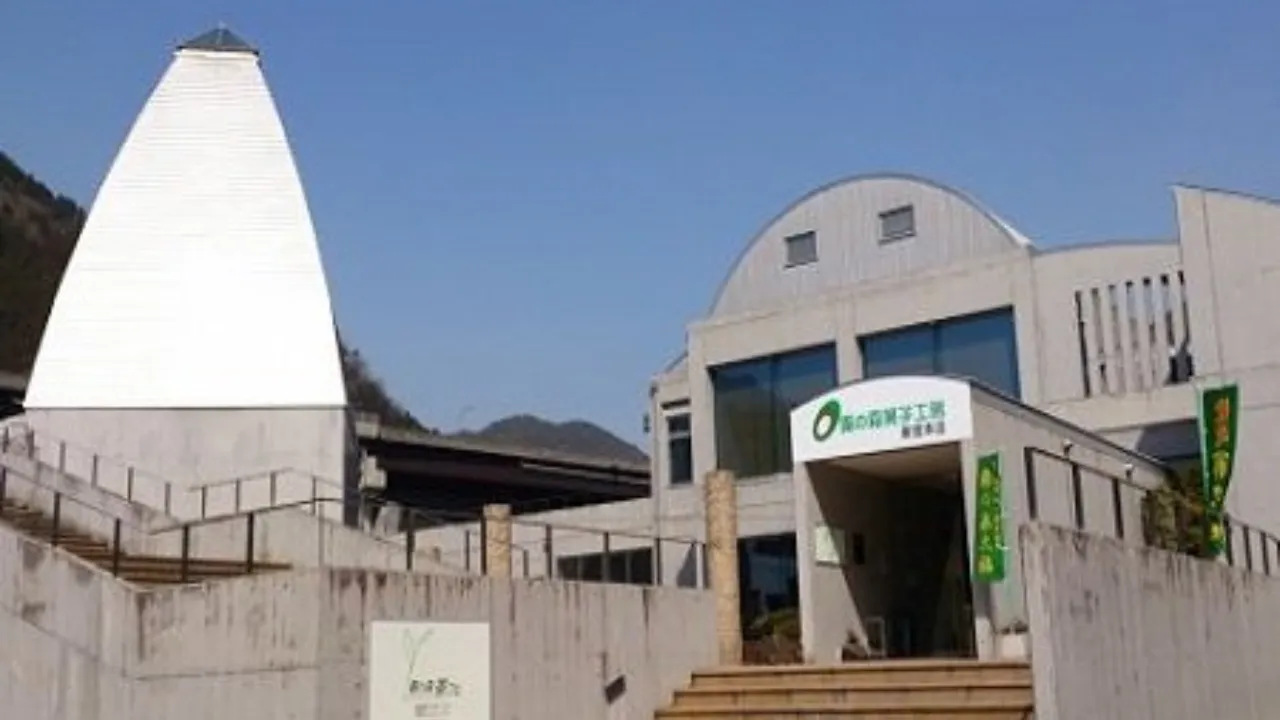
Home of the cult-favorite “Kiri no Mori Daifuku” matcha sweets.
People line up for that daifuku.
A riverside complex with café, onsen and cottages. The signature daifuku uses shade-grown kabuse matcha—often sells out. Even without sweets, the air and creek alone are restorative.
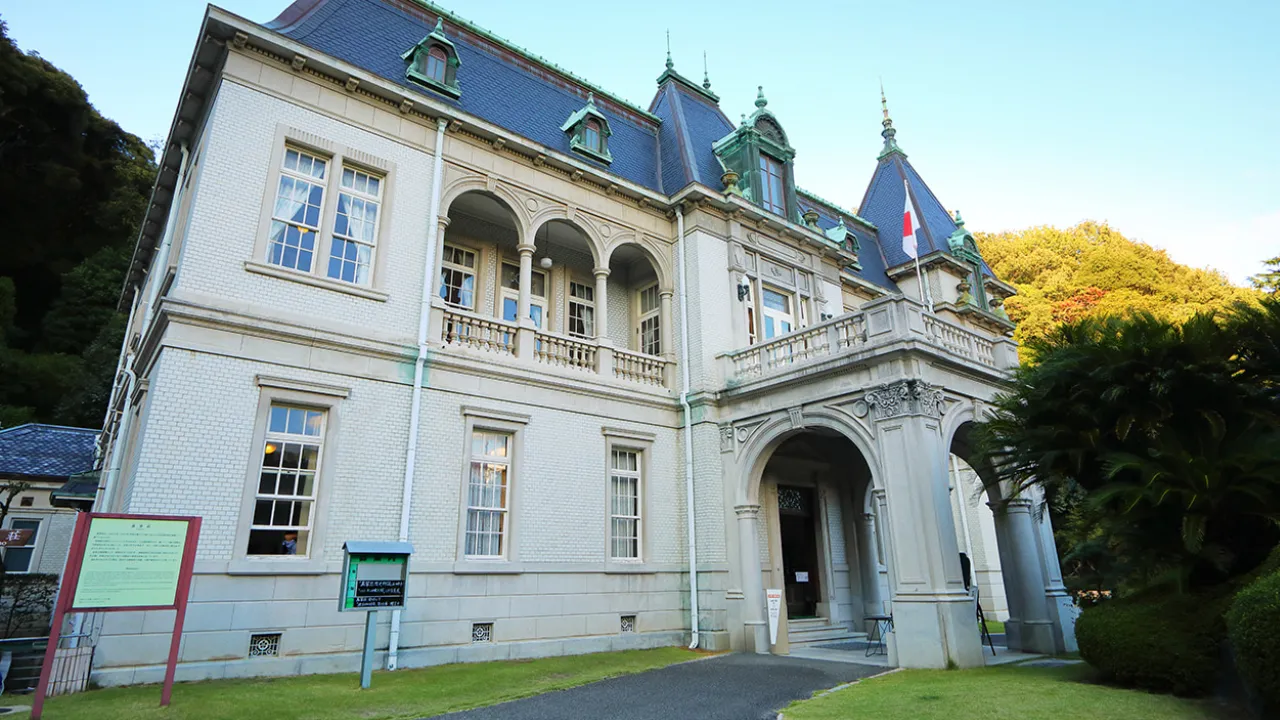
Taisho-era French Renaissance mansion—the city’s elegant salon.
Stained glass, chandeliers, crystal doorknobs.
Built by Count Hisamatsu Sadakoto, a descendant of Matsuyama lords, and now an Important Cultural Property. Once a stage for royalty and luminaries—step into the old social scene.
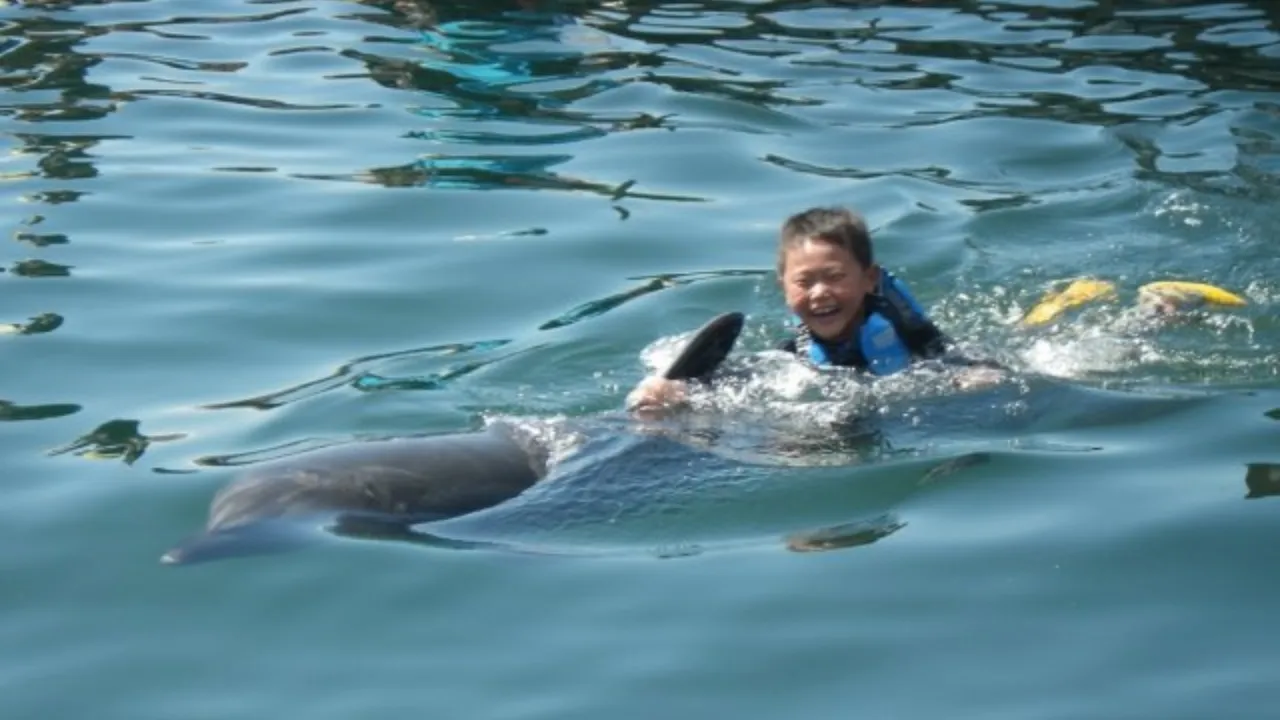
Meet and even swim with dolphins in a beautiful inlet.
Make a dolphin friend.
Set beneath a bridge between Hakata and Omishima, this large sea pen lets dolphins thrive. Options range from observation to feeding and swim programs—their bright, curious eyes melt stress away.
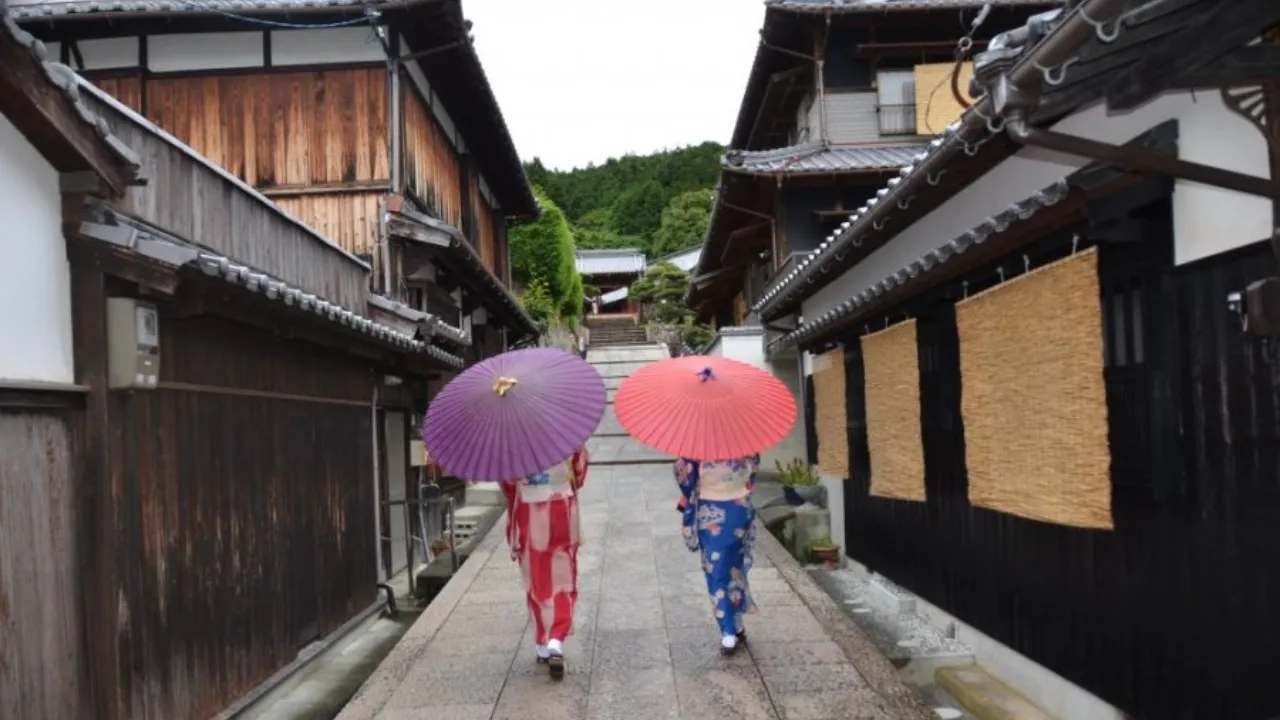
Edo to early Showa buildings co-exist—history layered on every street.
A living open-air museum.
Once a thriving market town for Uwajima Domain. See one of Japan’s oldest schools (Kaimei School) and the hideout of Rangaku scholar Takano Choei. Walk the same streets as historical figures.
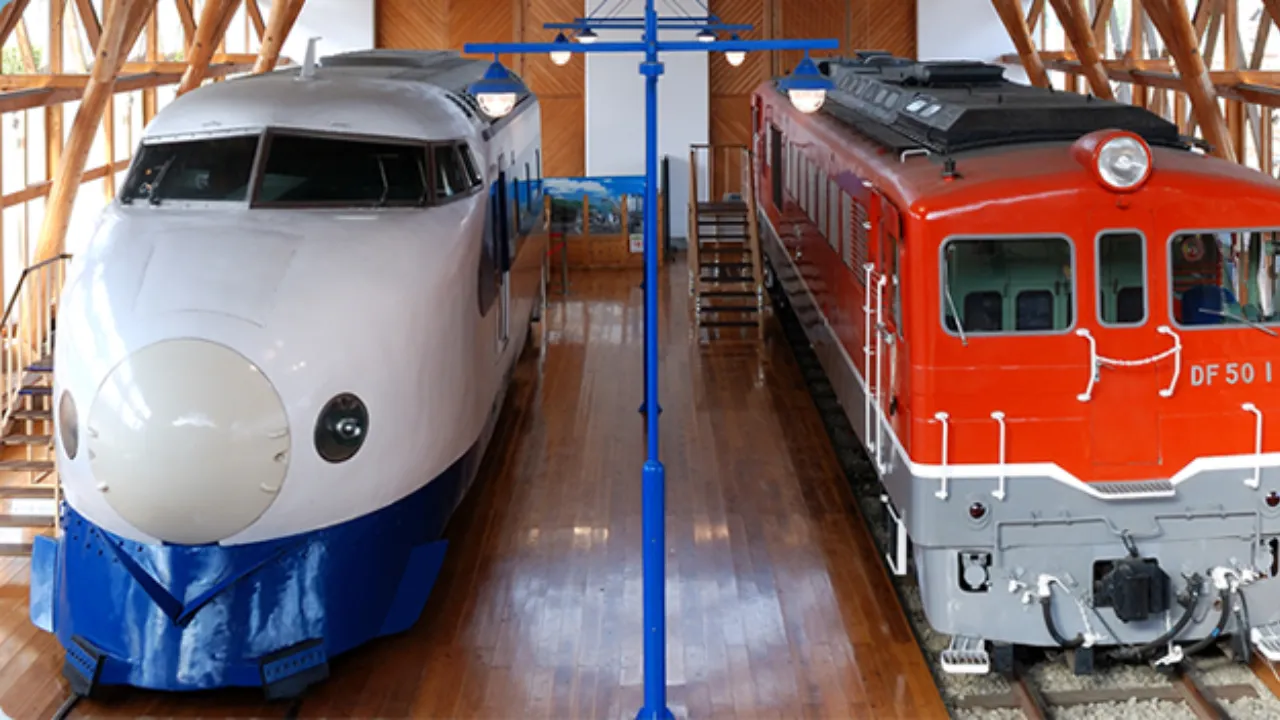
See the original 0-Series Shinkansen—rail fans rejoice.
Hometown of the “father of the Shinkansen.”
Next to Iyo-Saijo Station, this park honors fourth JNR president Shinji Sogo. Climb into driver’s seats of classic trains; kids and nostalgic adults alike will be hooked.
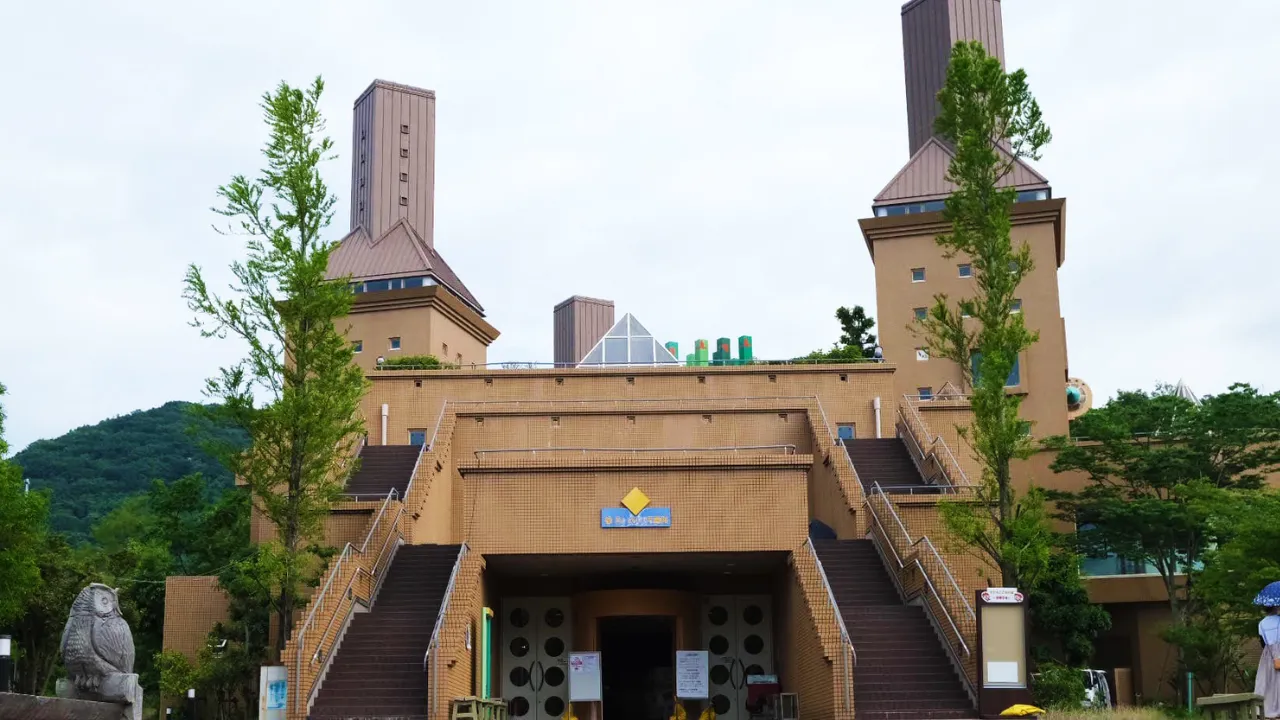
Massive kids’ complex amid nature—one day may not be enough.
Parents might out-play the kids.
From a bobsled ride and ladybug monorail to giant trampolines and craft studios, it’s packed with indoor/outdoor fun. Bring energy (and snacks).
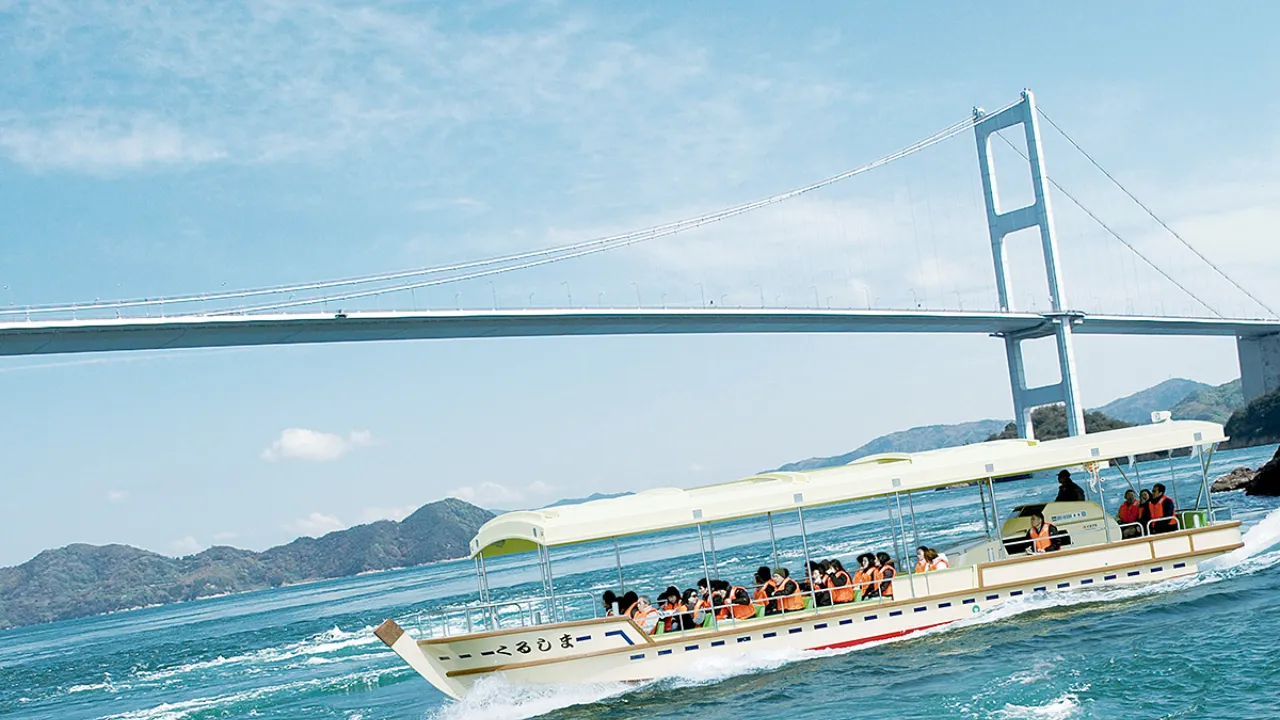
Feel whirlpools and rapids up close under the Kurushima bridge.
Naruto isn’t the only whirlpool show.
Boats sweep right into the action where fierce currents collide—up to 10 knots. Watch big ship traffic and soaring bridge pylons from sea level.